

When you call, AutoGen answers.
At AutoGen, a commitment to personalized, boutique-level service guides everything we do. We have the instruments, consumable kits, sample collectors, sample storage solutions and expertise to ensure you get the highest-quality nucleic acid for your downstream application. We also offer outsourced extraction laboratory services and take pride in providing a level of responsiveness unheard of in the industry.
Who We Are
We are experts in providing fully automated workflows for the isolation of nucleic acid.
What We Do
We provide laboratories with quality solutions for automated nucleic acid isolation.
Who We Help
We work with all types of research and clinical labs, both in the United States and internationally.
What's New With AutoGen
New Products and Updates from AutoGen, Inc.

Sampled and AutoGen Announce Partnership
Sampled and AutoGen Announce Partnership for Next-Gen Nucleic Acid Extraction and Multiomic Workflows
Read the Partnership Announcement

LVL 2D Tubes
AutoGen, Inc is now a North American Distributor of LVL Technologies GmbH. Three things must be guaranteed for storing samples: Security, identifiability, and space-saving storage. LVL products assist with all three and add efficiency and speed to your workflows.
Streamline Sample Handling – SAFE® Sample Storage – Rapid Sample Retrieval

Extraction Services
Looking for high-quality DNA/RNA extractions with a fast turnaround time? AutoGen is your source for boutique extraction services. For your next DNA/RNA extraction need, our lab is your lab.
You send us your samples. We process them. You get them back.

QuickGene-Auto 12S+
The QuickGene-Auto12S+ instrument provides rapid isolation of genomic DNA or RNA from samples including tissue, blood, cells, plants, microbes, plasmid, and more. Processes up to 12 samples per run in 25 minutes.
New version of our automated bench-top DNA/RNA extraction system for 2025!
AutoGen Instrumentation & Consumables
View all Instrumentation

FlexStar Platforms
Fully automated DNA extraction platforms employing precipitation chemistry for large volume blood, buffy coats, saliva, and more.
View Platform
View Consumable Kits

XTRACT 16+® Platform
Fully automated magnetic bead, bench-top systems, isolating nucleic acids from blood, FFPE, plasma, tissues, cells, and more.
View Platform
View Consumable Kits

QuickGene Platforms
Low throughput, membrane-based, bench-top systems, for DNA and RNA extraction from blood, tissues, cells, bacteria, and more.
View Platform
View Consumable Kits
Workflows
Whether you need to process a small or large batch of samples, our workflows have a proven track record of saving our customers time, labor, and money.
View All Workflows


News & Events
Keep up to date with AutoGen news, important product updates, informative articles, and upcoming events.
Blog | May 19, 2026
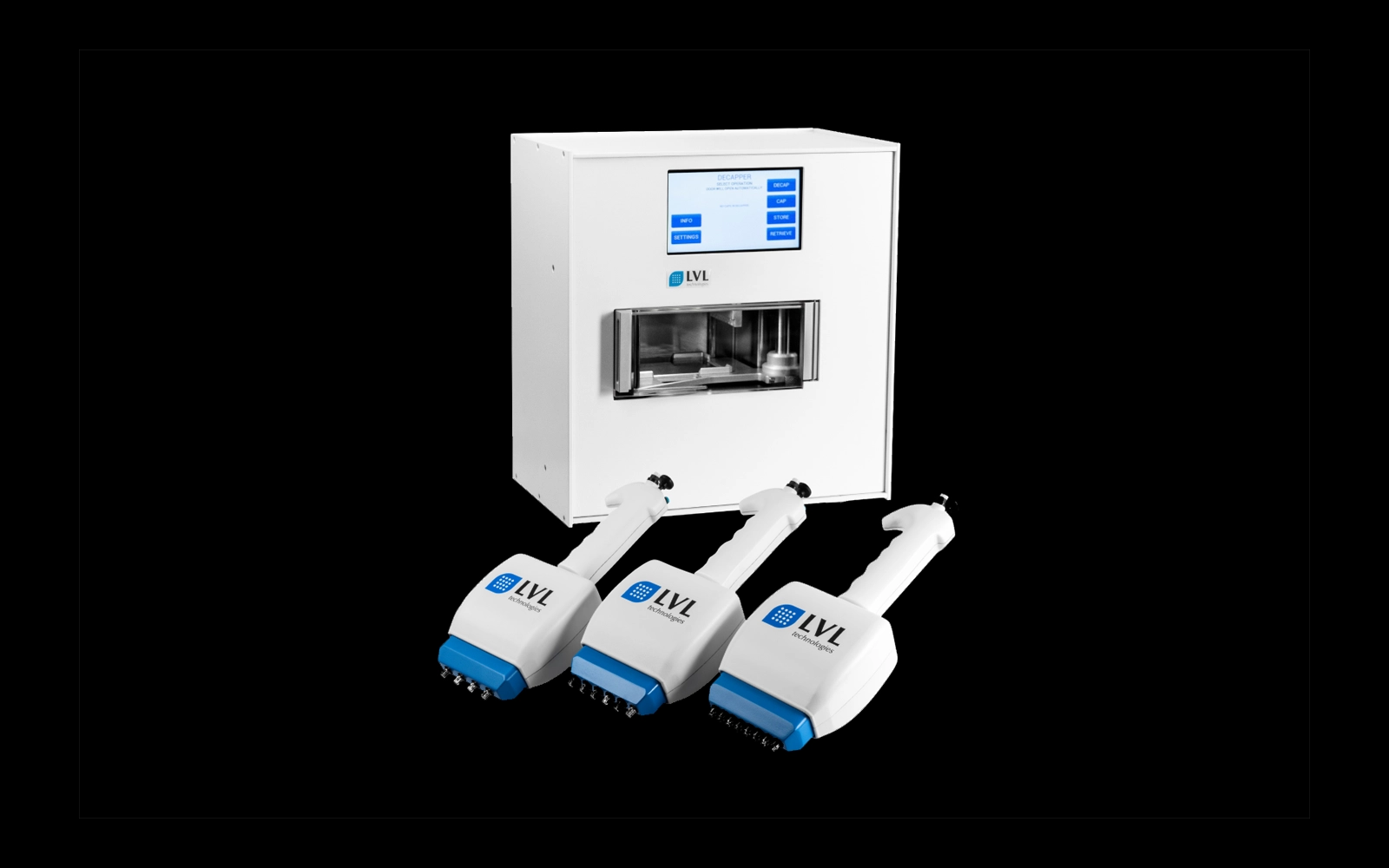
Unlocking Laboratory Efficiency with LVL Technologies Automated Decappers
How automated decapping technology is reshaping sample preparation, protecting lab personnel, and driving reproducibility at scale. In a high-throughput laboratory, the seemingly small act of ...
Blog | May 8, 2026
Real-World Applications: How Scientists Are Using Isohelix Products to Advance Cancer Research
Genomic research is at the heart of efforts to understand, detect and treat cancer. From identifying hereditary risk variants to characterizing tumor biology, the quality ...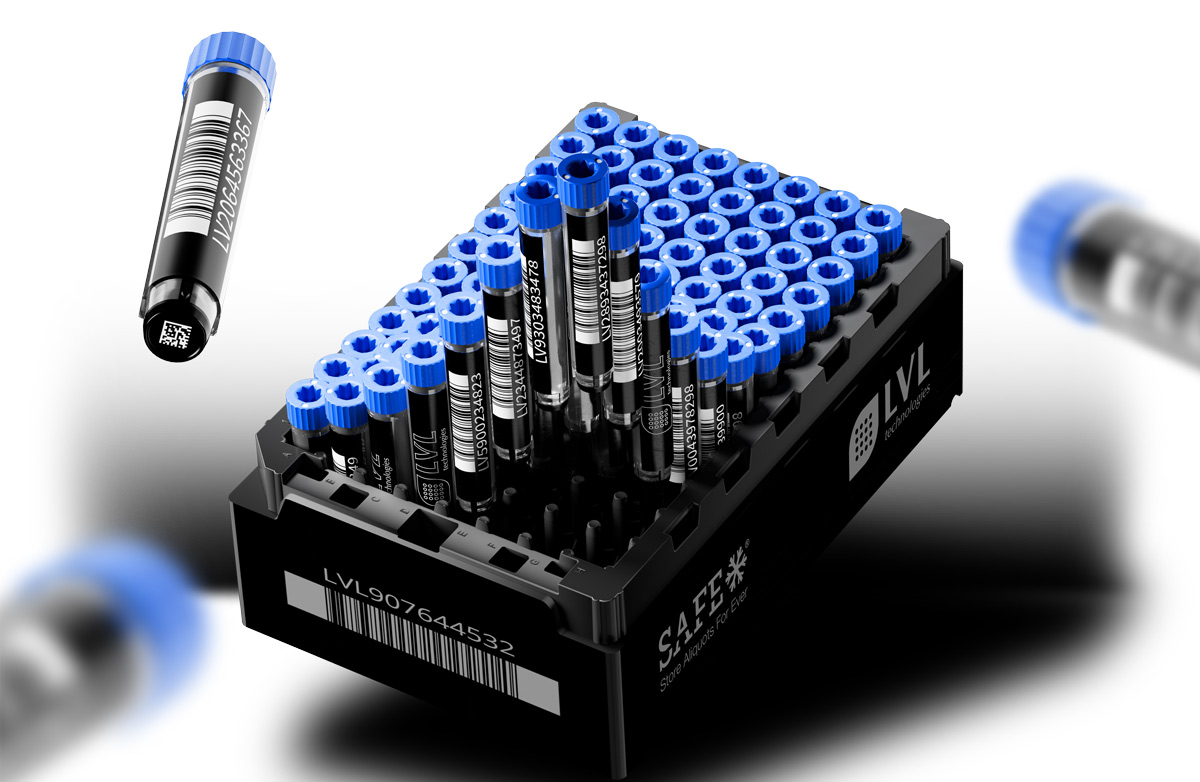
Blog | March 6, 2026
Why is Sample Storage and Management So Important?
Sample storage and management are fundamental to laboratory operations because they directly impact the integrity, traceability, and reliability of scientific research and experimental results. Here ...More Posts